Sensory Overload in Autism: Signs, Triggers, and Coping Strategies
Learn how sensory overload affects autistic people, what triggers it, and practical strategies to prevent and recover from overwhelming sensory experiences.
Autism sensory overload is one of the most commonly misunderstood experiences in neurodivergent life. It happens when the brain receives more sensory information than it can comfortably process — sounds, lights, textures, smells, or social signals all arriving at once, faster than the nervous system can sort through them. For autistic people, this isn't a matter of being overly sensitive or dramatic. It reflects genuine differences in how the brain filters and prioritises incoming information. Understanding what sensory overload looks like, what sets it off, and how to move through it more gently can make a meaningful difference — for autistic individuals, their families, and anyone who supports them.
What Is Sensory Overload, and Why Does It Happen?
The human nervous system is constantly making decisions about which sensory input matters and which to ignore. Most people do this filtering automatically and without much effort — background noise fades, crowds feel manageable, bright lights become unremarkable after a moment. For many autistic people, that filtering process works differently. Sensory signals that others tune out may arrive with full intensity, and the brain struggles to sort or dampen them fast enough.
This difference is rooted in autistic sensory processing, which research increasingly describes not as a deficit but as a variation in neural architecture. The brain may be processing more information, more deeply, and with less automatic habituation. That can be an asset in many contexts — noticing fine details others miss, picking up on subtle environmental changes, experiencing beauty or pleasure more vividly. But in environments designed for neurotypical nervous systems, the same trait can tip quickly into overload.
Sensory overload isn't exclusive to autism. It also occurs in ADHD, PTSD, and certain anxiety disorders. But it is particularly common among autistic people, with studies suggesting that the majority experience some degree of sensory difference. The experience is also highly individual — one autistic person may be hypersensitive to sound but barely notice temperature changes, while another has the opposite profile. This variability matters enormously when thinking about support.
Common Sensory Overload Triggers
Knowing the most common sensory overload triggers is a useful starting point, even though every person's list will look different. Triggers typically fall into one or more of the sensory channels:
Auditory Triggers - Loud or sudden noises (alarms, crowd noise, construction) - Overlapping conversations or background chatter - High-pitched sounds, certain frequencies, or repetitive noise - Music in public spaces, particularly with heavy bass
Visual Triggers - Fluorescent or flickering lighting - Busy visual environments — cluttered rooms, crowded streets, fast-moving screens - Bright sunlight without adequate shade - Certain patterns or high-contrast colour combinations
Tactile Triggers - Clothing tags, seams, or fabrics with unexpected texture - Light or unexpected touch, especially from behind - Certain food textures - Temperature extremes or sudden temperature changes
Olfactory and Gustatory Triggers - Strong perfumes, cleaning products, or food smells - New or unexpected tastes and food textures - Chemical or artificial scents in enclosed spaces
Social and Interoceptive Triggers This is an often-overlooked category. Social environments carry their own sensory load — reading facial expressions, monitoring tone of voice, tracking conversational cues, and managing the unpredictability of other people's behaviour. For autistic people, processing social signals requires active cognitive effort rather than happening automatically. When a busy social environment layers on top of physical sensory input, the cumulative load can push the nervous system toward overload faster than either alone would.
It's also worth noting that internal body signals (interoception) can contribute. Hunger, fatigue, illness, or pain that isn't fully registered consciously can lower the threshold for overload, making an otherwise manageable environment suddenly overwhelming.
Recognising the Signs of Sensory Overload
Sensory overload doesn't always look the same, and it doesn't always look like distress from the outside. Some signs are visible; others are internal. Recognising them early — before overload reaches a crisis point — is one of the most practical things autistic people and their support networks can learn.
Early warning signs may include: - Increased irritability or difficulty with conversation - Withdrawing from interaction or going quiet - Stimming more frequently or with more intensity (rocking, hand-flapping, humming) - Difficulty finding words or responding to questions - Heightened startle responses - Complaints of headaches, stomach aches, or feeling "fuzzy"
As overload progresses, signs can intensify: - Covering ears or eyes, or seeking dark, quiet spaces - Emotional dysregulation — crying, anger, or emotional numbness - Meltdowns (an involuntary loss of behavioural control under overwhelming conditions) or shutdowns (a withdrawal into non-responsiveness) - Physical symptoms including nausea, dizziness, or dissociation - Difficulty moving or making decisions
It's important to approach these signs without judgment. Meltdowns and shutdowns are not behavioural choices or manipulation — they are the nervous system's response to more input than it can process. Treating them as such is the foundation of genuinely supportive care.
Autistic masking can also complicate recognition. Many autistic people, particularly those who were not diagnosed until adulthood, have learned to suppress or hide overload signs in public. This comes at a significant cost — suppressing distress signals doesn't reduce the underlying load; it often increases it while delaying recovery.
Sensory Overload Coping Strategies
There is no single approach to managing autism sensory overload that works for everyone. But the evidence and community experience point to a set of sensory overload coping strategies that are broadly helpful as starting points, adaptable to individual need.
Prevention and Environment Design
The most effective intervention usually happens before overload begins. This means thoughtfully shaping environments and routines to reduce unnecessary sensory burden:
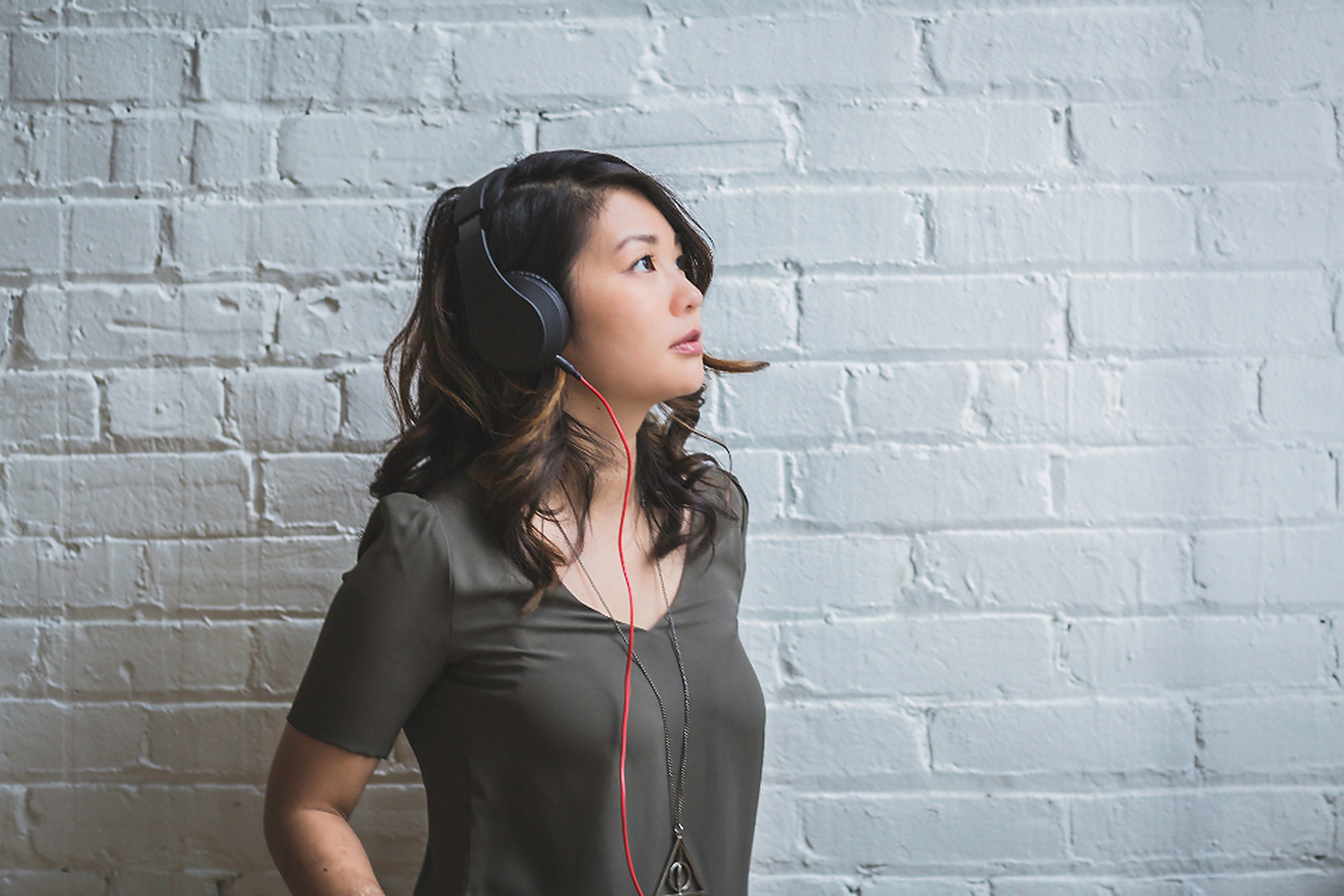
- Noise management: Noise-cancelling headphones or earplugs can dramatically reduce auditory load in unavoidably busy environments. They are tools, not avoidance.
- Lighting adjustments: Where possible, replacing fluorescent lighting with LED bulbs that have a consistent, warmer colour temperature. Sunglasses outdoors, hats with brims, or simply choosing shaded seats can reduce visual strain.
- Clothing and sensory comfort: Choosing clothing based on sensory comfort rather than convention — seamless socks, tagless labels, soft fabrics — reduces ongoing tactile load throughout the day.
- Planning ahead: Visiting new places at quieter times, mapping out quiet areas in advance, or having an exit plan can significantly lower anticipatory anxiety and reduce the chance of being caught in an overwhelming situation without a way out.
- Sensory diet: Occupational therapists sometimes use the term "sensory diet" to describe a personalised plan of sensory activities that help regulate the nervous system throughout the day — not as a treatment, but as a rhythm that keeps the baseline calmer.
In-the-Moment Strategies
When early signs of overload appear, a timely response can prevent escalation:
- Moving to a quieter, lower-stimulus space as soon as possible
- Using a preferred stim or sensory tool (a weighted blanket, fidget tool, or particular texture) to provide grounding input
- Slow, deep breathing or other nervous-system regulation techniques
- Reducing social demands — it's okay to signal that you need a pause from conversation
- Darkening the environment, removing sources of smell, or adjusting temperature if possible
- Listening to a familiar, calming playlist through headphones
Recovery After Overload
Recovery time is real and should be respected. Pushing through or immediately re-entering a demanding environment after overload typically prolongs recovery. Useful recovery approaches include:
- Rest in a low-stimulus environment for as long as needed — this varies significantly between people and episodes
- Familiar, comfortable sensory input (a favourite texture, smell, or sound)
- Gentle movement, if that feels regulating rather than demanding
- Allowing emotional processing time without pressure to explain or debrief immediately
- Hydration and food if appetite allows, since physical needs often compound overload
Supporting Someone Else Through Overload
For caregivers, family members, and professionals, the instinct to help by talking, problem-solving, or comforting verbally can actually add to the sensory load during overload. The most supportive things are often the quietest ones:
- Staying calm and reducing your own verbal output
- Asking simple yes/no questions rather than open-ended ones, if communication is needed
- Offering rather than imposing — a blanket, a quiet room, headphones — and accepting the answer
- Not taking meltdown or shutdown behaviour personally, and not discussing it in the moment
- Following the autistic person's lead for when and whether to reconnect
Autistic Sensory Processing and Communication
One dimension of autistic sensory processing that often goes unexamined is its intersection with communication and tone reading. Social environments are sensory environments. The effort of interpreting vocal tone, reading emotional expression, and navigating unspoken social rules adds a genuine cognitive and sensory cost — one that is easy to underestimate from the outside.
When that cost is high, or when sensory overload has already started, a person's ability to accurately read and respond to emotional signals in others' voices can drop significantly. Misreadings happen — a voice that sounds angry when it's actually just clipped and hurried, or concern that reads as criticism when tone processing capacity is stretched thin. These moments can create friction, misunderstanding, and distress in relationships that both parties care about.
This is one reason why tools that offer a more explicit, low-effort way to check in on vocal tone can be genuinely useful — not as a replacement for relational skills, but as a support that removes some of the guesswork when bandwidth is limited.

The Bottom Line
Autism sensory overload is a real, well-documented experience that affects a significant proportion of autistic people in ways that ripple through daily life, relationships, and wellbeing. It isn't a phase, a preference, or something that disappears with enough willpower. But it is something that can be understood, anticipated, and managed more effectively with the right strategies and environment.
The most important shifts are usually attitudinal: treating sensory needs as legitimate rather than inconvenient, building accommodations into everyday environments rather than expecting autistic people to simply cope, and creating space for honest communication about how someone is feeling — without pressure to mask or perform.
If part of that communication involves understanding vocal tone — whether to read the emotional temperature of a conversation, or to help others understand yours — Itard is designed to support exactly that. It analyses vocal tone in real time, offering simple, non-judgmental cues that can help take the guesswork out of social interaction, particularly when sensory load is high and cognitive bandwidth is stretched. It's one small tool in a much larger picture, but it's there when you need it.
If this article helped, download Tone2Emoji on the App Store for clear, non-judgmental support when tone is hard to read.